
How to Prevent Colour Variation in Plastic Production
Colour consistency is essential in packaging, appliances, automotive components and consumer products. Even a small variation between production batches can result in rejected parts, customer complaints and unnecessary material waste.
When a colour changes, the masterbatch is often blamed first. In practice, the final appearance is influenced by the complete production system: resin, masterbatch, dosing, temperature, residence time, tooling and lighting.
1. Control Processing Temperature
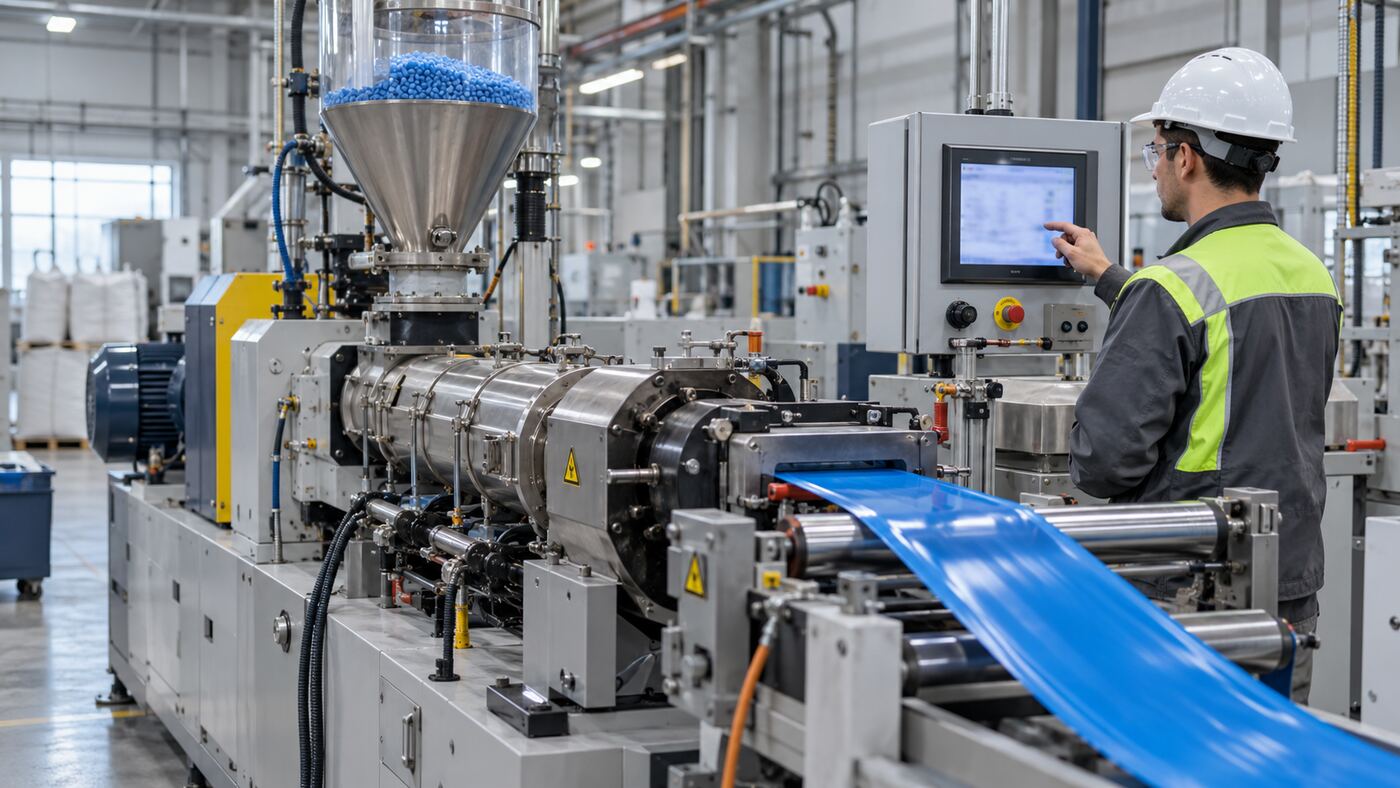
Excessive temperature can degrade pigments, the carrier resin or the base polymer, causing yellowing, darkening or loss of brightness. Temperatures that are too low can prevent the masterbatch from melting and dispersing completely. Record the approved temperature profile and investigate unexplained deviations between batches.
2. Maintain Consistent Screw Speed and Residence Time
Changing screw speed affects shear, mixing and the time the material remains inside the machine. A longer residence time may expose heat-sensitive pigments to excessive thermal stress, while insufficient mixing may leave streaks or pigment agglomerates. During troubleshooting, change one parameter at a time and document the result.
3. Verify Dosing Accuracy
Small dosing errors can create visible colour variation, particularly in pale, transparent or highly saturated shades. Gravimetric and volumetric dosing systems should be calibrated and checked for interruptions, bridging or irregular feeding. Premixing may help in some processes, but segregation can occur when masterbatch and base-resin pellets differ significantly in size or density.
4. Confirm Carrier Compatibility
The carrier resin must melt and distribute effectively within the base polymer. Poor compatibility can result in streaks, surface defects, reduced gloss or inconsistent colour strength. Provide the masterbatch supplier with the exact polymer type, grade, melt-flow characteristics and production method.
5. Monitor Base-Resin Changes
Two polymers sold under similar descriptions may have different natural colour, transparency, additives or melt behaviour. A change of resin grade or supplier can therefore shift the appearance even when the masterbatch dosage remains unchanged. Colour approval should ideally use the same resin intended for commercial production.
6. Prevent Moisture and Contamination
Moisture can affect surface quality and clarity, while residual material from a previous run may contaminate the new colour. Hoppers, screws, barrels, nozzles and material-handling equipment should be cleaned according to a documented colour-change procedure. Hygroscopic polymers must be dried under the material supplier’s recommended conditions.
7. Standardise Colour Evaluation
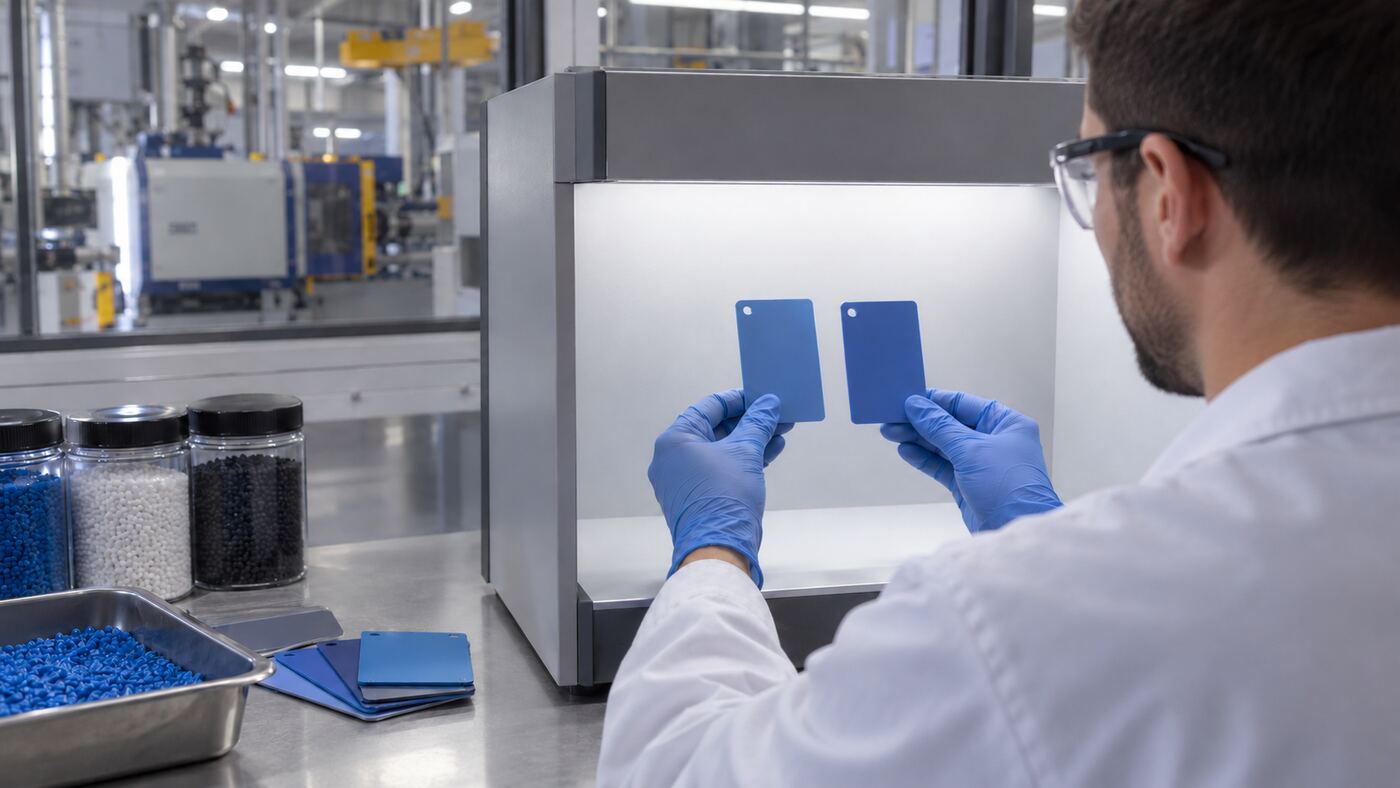
A sample can appear different under daylight, fluorescent lighting and LEDs. This effect, known as metamerism, may cause two samples to match under one light source but differ under another. Use defined lighting conditions, retain approved reference samples and use instrumental colour measurement when tight tolerances are required.
A Practical Troubleshooting Sequence
1. Compare resin and masterbatch batch numbers. 2. Confirm the actual dosage. 3. Record temperature, pressure, speed and cycle time. 4. Inspect the product for streaks, specks or localised defects. 5. Check drying and storage conditions. 6. Compare samples under controlled lighting. 7. Adjust only one production variable at a time.
Conclusion
Reliable colour does not depend on a single material. It results from a compatible masterbatch, stable raw materials, accurate dosing and controlled processing.
Corbi Polymer develops custom colour masterbatches for different polymers and manufacturing processes. To investigate a colour-consistency issue, provide the polymer grade, application, process conditions, required dosage and an approved physical colour reference.
Contact Corbi Polymer — Tel: +98 21 22637450 | Mobile/WhatsApp: +98 912 0585654 | Email: Info@onlinecorbi.com

Comments